
Idea 1
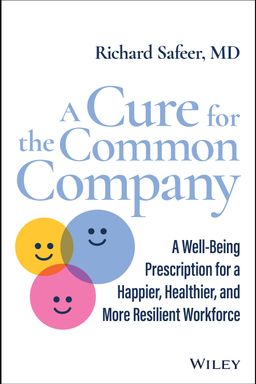
The Cure for the Common Company
Why do so many workplaces invest in wellness programs yet see little change in health or engagement? In A Cure for the Common Company, Richard Safeer argues that the missing ingredient is culture — a web of shared influences that shape what people believe, do, and feel every day. You don’t build a healthy organization with isolated programs; you build it by replacing the old cultural weather with one that sustains well‑being.
Safeer, Chief Medical Director of Employee Health at Johns Hopkins Medicine, offers a practical framework anyone can apply — six building blocks that anchor a well‑being culture: shared values, social climate, norms, culture connection points, peer support, and leadership engagement. Across examples ranging from hospitals to retailers and tech firms, he demonstrates that lasting change happens when leaders make health visible, peers make it social, and the environment makes it easy.
Culture as the Foundation
Culture is more than slogans or perks. It’s the steady weather that determines behavior. A culture of well‑being makes healthy actions feel normal, supported, and valued. At Hopkins, Safeer’s team spotted a soda truck parked by the hospital — a symbol that contradicted its mission. By shifting norms through beverage policies, pricing, and placement, they created alignment between values and environment. (Note: this example mirrors behavioral economics pioneers like Thaler and Sunstein, who emphasize how small design choices change decisions without coercion.)
The Framework for Action
Safeer’s Six Building Blocks form the map for transforming culture:
- Shared Values—what you stand for must include health and respect for human limits.
- Social Climate—trust, inclusion, and belonging keep people mentally and physically strong.
- Norms—the daily unspoken habits shape what’s normal; leaders can gently shift them.
- Culture Connection Points—touchpoints like policies, spaces, hiring, and communication embed well‑being.
- Peer Support—friends, champions, and small groups make change social and sustained.
- Leadership Engagement—leaders set tone, model behaviors, and hold teams accountable.
Each piece is interconnected—a web, not a checklist. Programs and policies work only when these influences reinforce each other. That’s why the framework includes subcultures: the smaller pockets of habits within teams, shifts, and remote groups that often determine authentic behavior more than corporate policies.
Subcultures and the Real World of Work
Your team may be part of several overlapping cultures—day shift, remote worker, or department norms. At Veolia’s London site, a “Night Club” program tailored for 300 nightshift workers addressed sleep and circadian rhythm issues and succeeded where generic wellness campaigns failed. Safeer’s message: tailor culture change to the context where it will actually live.
Beyond Programs: Aligning Meaning and Design
Culture begins with meaning. Shared values give direction, and purpose anchors well‑being to something larger than perks. Companies like Johnson & Johnson and REI make health part of their purpose—REI’s “Yay Days” let employees play outdoors, translating values into experience. Purpose connects people emotionally; financial fairness and lifestyle medicine complete the picture by addressing stress and chronic disease through holistic means.
Measurement and Momentum
To build accountability, you must count the culture. From surveys and dashboards to outcome metrics, Safeer recommends mixing quantitative data with qualitative stories. Vanderbilt’s CHIP program showed real medical savings alongside improved engagement, proving that culture can produce both human and fiscal returns. Yet he warns against ROI obsession—well‑being is both a moral and strategic priority, not just a line item.
The Human Side of Change
Transformation faces obstacles: laggards, cynicism, and rushing without planning. Safeer’s “culture killers” remind you to build accountability, pilot before scale, and address work design first. Leaders must model care, practice persistence, and protect psychological safety. Culture change isn’t imposed—it grows through repeated signals, visible wins, and a consistent web of support.
“A well‑being culture is not a program—it’s how people treat each other, what leaders do, and the small daily choices your environment makes easy.”
If you map the six building blocks, align leaders and peers, tailor to your subcultures, and track progress, you’ll build something rare—a workplace where people thrive not by willpower, but by design.