
Idea 1
Leadership as a Climb Through Five Levels of Influence
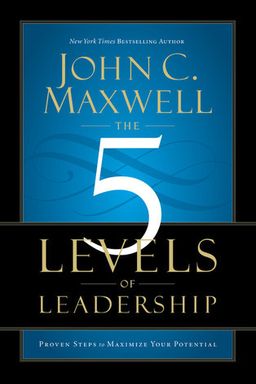
Have you ever wondered why some people inspire genuine loyalty while others can barely get people to follow orders? In The 5 Levels of Leadership, John C. Maxwell argues that leadership isn’t a static position—it’s a journey of growth through distinct stages of influence. Leadership, as he defines it, is not a title, a position, or even a talent. It’s the ability to influence others toward positive outcomes—and the quality of that influence determines whether people follow you because they have to, or because they truly want to.
Maxwell contends that every leader starts at Level 1—where authority is granted by title—but that genuine impact begins only when leaders move beyond this to earn trust, inspire results, develop others, and ultimately create a legacy. In his framework, leadership is built like a ladder: each level builds upon the previous one, and each requires personal growth, relational depth, and tangible results. The book has become one of the most widely used leadership development tools worldwide (used in over 120 countries and corporations such as Microsoft and West Point), because it simplifies the complex art of leadership into a practical game plan anyone can follow.
From Position to Pinnacle: The Five Stages
Maxwell’s model divides leadership into five progressive levels. Level 1, Position, is where many get stuck—they rely on titles and rules to get things done. People follow them because they must. Level 2, Permission, begins when leaders start building real relationships—people follow because they want to. At Level 3, Production, credibility blossoms as leaders start delivering results and showing the way through personal performance. Level 4, People Development, represents a powerful shift from success to significance—leaders begin multiplying themselves by developing new leaders. Finally, Level 5, Pinnacle, is achieved by the rare few who create legacy organizations that keep producing leaders long after they’re gone. These individuals—like Maxwell’s exemplar, Coach John Wooden—are revered not just for what they accomplish but for what they inspire others to become.
Leadership as a Verb, Not a Title
Maxwell emphasizes that leadership is not a noun; it’s a verb. It’s something you do, not something you are. A leader’s authority must be earned daily through character, trust, and competency. This view challenges the outdated notion of leadership as hierarchy and replaces it with leadership as movement. As Maxwell notes, “Leaders are always taking people somewhere; if there is no journey, there is no leadership.” The process, he insists, is continuous—you never leave a level behind. Instead, each stage builds upon the previous one, integrating relationships, results, and personal growth into a holistic approach to influence.
Leadership as Personal Growth
The heart of Maxwell’s message is that leadership growth mirrors personal growth. You cannot take people where you haven’t gone. Whether you’re a new supervisor, a nonprofit organizer, or a parent, your leadership effectiveness rises or falls on your commitment to develop skills, emotional intelligence, and a servant’s heart. Maxwell urges readers to become intentional learners who combine experience with reflection. Growth must be deliberate; experience alone isn’t enough. Each transition—from commanding compliance to cultivating trust, from generating results to reproducing leaders—requires a new mindset and skill set.
Why This Journey Matters
Why does this matter? Because, as Maxwell famously states, “Everything rises and falls on leadership.” Families, teams, businesses, and nations succeed or crumble based on the quality of their leaders. By understanding these five levels, you can diagnose where you stand with everyone you lead and discern how to climb higher. The reward of this climb isn’t just more authority—it’s the ability to add greater value to others, multiply influence, and leave behind a lasting legacy. In short, this isn’t a book about managing people; it’s about transforming yourself into the type of leader others choose to follow—willingly, passionately, and forever changed by your example.