
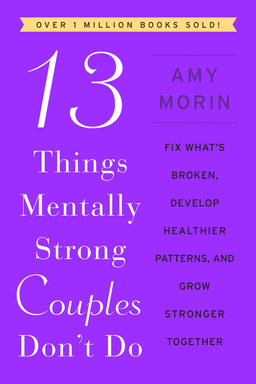
13 Things Mentally Strong Couples Don''t Do cover

13 Things Mentally Strong Couples Don''t Do

by Amy Morin

In ''13 Things Mentally Strong Couples Don''t Do,'' Amy Morin reveals the common pitfalls to avoid for nurturing resilient relationships. Gain actionable advice on communication, conflict resolution, and trust-building to foster lasting emotional closeness with your partner.

Building Mental Strength Together

What does it really take for two people to stay strong together through life’s inevitable storms? That’s the question at the heart of 13 Things Mentally Strong Couples Don’t Do by therapist and best-selling author Amy Morin. Drawing on her two decades of clinical experience, Morin argues that strong relationships aren’t built on luck, compatibility, or even love alone — they’re built on mental strength: the ability to manage thoughts, emotions, and behaviors in healthy ways, both individually and as a team.

Morin contends that mental strength in relationships follows the same principles that she introduced in her earlier books — but here, she applies them to couples who want to thrive, not just survive. She doesn’t ask couples to do more date nights or talk about love languages. Instead, she identifies thirteen common self-sabotaging habits that quietly destroy trust, intimacy, and growth. By eliminating these habits, couples can make all their other positive actions—communication, affection, problem-solving—far more effective.

Why Mental Strength Matters in Relationships

Morin begins by telling her own powerful story of loss, love, and resilience. Widowed at 26 after her husband’s sudden death, she learned firsthand how grief and vulnerability test the limits of emotional strength. Years later, she remarried and built a new life, one anchored in lessons about courage, self-discipline, and teamwork. That personal experience gives her writing emotional credibility; she has lived the truth that inner fortitude and open connection can coexist.

Her insight is simple but profound: when one partner grows stronger mentally, it changes the dynamic of the entire relationship. Healthy relationships are not about one person fixing another, but about both learning skills to respond—not react—to life’s hardships, to talk about problems directly, and to support each other’s growth even when it’s uncomfortable. This isn’t therapy jargon. It’s practical, compassionate wisdom built around real couples and everyday problems.

The Structure: What Mentally Strong Couples Avoid

Each chapter focuses on one of the thirteen destructive habits couples need to stop. These aren’t obscure psychological patterns; they’re behaviors most of us fall into when under stress. For instance, strong couples don’t ignore problems, keep secrets, weaponize emotions, or try to fix each other. They don’t assign blame, take each other for granted, or stop growing. Each habit is illustrated through client stories—Angela and Carl rediscovering emotional intimacy after years of distance; Autumn and David rebuilding trust after betrayal; Jen and Ethan setting boundaries over financial shame. These vignettes make abstract principles real and relatable.

Morin structures every chapter like a therapeutic session: a client story, a self-assessment quiz, analysis of why couples behave that way, and step-by-step exercises for building new habits. Many chapters close with interviews with modern relationship experts such as Dr. Jenn Mann, Nedra Glover Tawwab, and Lori Gottlieb, reinforcing that strong relationships are an ongoing study in emotional intelligence and mutual care.

The Core Message

At its heart, the book argues that love without mental strength is fragile. Life will test every couple—through loss, finances, health scares, parenting, or simply time. Mentally strong couples face challenges head-on instead of pretending things are fine. They communicate with honesty but also compassion, maintaining curiosity about their partner instead of judgment. They see each other as teammates, not opponents.

Morin’s approach stands apart from traditional relationship advice because it doesn’t rely on rituals or personality frameworks. Her model is skills-based. She calls readers to eliminate psychological traps: denial, defensiveness, blaming, resentment, and avoidance. She believes in courage—the courage to be honest, to forgive, to take responsibility, and to grow — as the cornerstone of partnership.

Why These Ideas Matter

In a culture where relationships often crumble under stress or stagnation, 13 Things Mentally Strong Couples Don’t Do flips the focus from romantic compatibility to resilience. It challenges the myth that good relationships “just work” and replaces it with the mindset that good relationships are worked on. Morin’s message is empowering: even if your partner refuses to read the book, changing your own thoughts and behaviors can shift the entire dance of your relationship (she uses the metaphor “relationships are like a dance — when one person changes their steps, the other must adjust”).

By the end of the book, you come to see that strong couples aren’t perfect or always in sync. They argue, make mistakes, and experience loneliness—but they don’t give up. They simply refuse to engage in the thirteen habits that erode trust and love. Morin equips readers with tangible strategies—how to confront problems, set healthier boundaries, take responsibility, and rediscover connection—to help you and your partner become not only happier but mentally stronger together.


Facing Problems Head-On

Morin’s first principle — “Mentally strong couples don’t ignore their problems” — sets the tone for the entire book. Avoidance might feel comfortable in the short term, but it corrodes intimacy over time. Many couples, she explains, spend years dancing around the same issue — finances, sex, parenting, in-laws — until resentment quietly replaces connection.

Angela and Carl: Rediscovering Connection

Morin introduces Angela and Carl, a couple who built their identity around raising three sons. When the children left home, Angela found herself lonely and purposeless. She realized their marriage had been “run like two separate businesses.” For decades, neither addressed the emotional gap that had grown between them. Instead of blaming Carl, Angela worked with Morin to take small steps to reconnect—buying theater tickets, planning a weekend trip, and using quality time to create natural emotional openings. Through action, not confrontation, she rebuilt emotional intimacy. Her story demonstrates that addressing a problem doesn’t always mean having a dramatic talk—it can mean changing behavior first to open the door for conversation.

Why We Avoid the Hard Conversations

Morin lists common reasons partners ignore issues: fear of conflict, fatigue, rejection, or the hope it’ll “fix itself.” Some even confuse peacekeeping for peace. But according to a 2019 study she cites, happy couples don’t solve every issue—they just distinguish between solvable and unsolvable problems. Mentally strong couples work on problems that can change and learn to manage feelings about those that can’t.

From Silence to Strategy

Morin offers a clear roadmap for addressing long-ignored problems: define the issue precisely, separate symptoms from causes, choose the right time, and frame discussions using “I statements” rather than blame. Her practical exercises—like writing lists of reasons to address an issue now—help readers find courage. She reminds couples not to expect 50/50 effort every time: teamwork sometimes means carrying the load differently as life demands shift.

Through Angela and Carl, Morin demonstrates that confronting problems restores self-respect as well as love. “Sometimes,” she writes, “it takes more energy to dance around a problem than to face it.” Mentally strong couples don’t avoid difficult truths—they view them as opportunities to grow closer.


The Power of Honesty

In Chapter 2, “They Don’t Keep Secrets,” Morin explores why secrecy, even in small doses, is poison to trust. She differentiates between privacy—reasonable autonomy—and secrecy, which is motivated by fear or shame. Secrets, she writes, are less about protecting your partner than protecting yourself from consequences.

Autumn and David: Rebuilding Trust

Autumn discovered her husband David had subscribed to his ex-girlfriend’s OnlyFans account. Though David dismissed it as harmless curiosity, Autumn felt deeply betrayed. In therapy, they learned that restoring trust requires total transparency, consistency, and accountability. David chose to share passwords and proactively discuss his boundaries; Autumn worked to express her needs without surveillance or ridicule. Their story shows that recovery requires both forgiveness and structure—emotional safety rebuilt through actions, not promises.

Secrets vs. Privacy

Morin provides tools to define what information couples owe each other. For instance, private conversations with friends or solo hobbies aren’t “secrets,” but concealing behaviors you know would upset your partner is. Couples should openly negotiate these boundaries early and revisit them as life changes. Citing psychologist Jenn Mann, Morin warns against “brutal honesty”: kindness should guide truth-telling. Honesty that humiliates erodes safety, too.

Ultimately, mentally strong couples replace secrecy with vulnerability. They learn that trust isn’t granted; it’s earned one moment of openness at a time.


Boundaries Without Walls

Healthy love requires separation as well as closeness. In “They Don’t Hesitate to Set Boundaries,” Morin defines boundaries as the invisible rules that protect peace and respect. She argues that too-rigid boundaries create emotional distance, while loose boundaries breed resentment and chaos.

Jen and Ethan: Redefining Respect

Jen carried a heavy burden of student loans, which embarrassed her. Her husband Ethan frequently joked about her debt in public, turning her shame into a punchline. With Morin’s guidance, Jen set clear rules: finances were private unless they both consented to share. She learned that boundaries are not about control—they’re about teaching people how to treat you. Once Ethan understood this and stopped the teasing, trust and teamwork re-emerged.

Why We Struggle with Boundaries

Morin notes that many people were raised to conflate politeness with passivity. Saying “no” feels mean. Therapist Nedra Glover Tawwab, whom Morin interviews, stresses that boundaries aren’t punishments—they’re clarity. Tawwab’s formula is simple: state the boundary calmly, enforce it consistently, and abandon guilt. Protecting your time and energy is not selfish; it’s how you ensure love can thrive rather than rot under resentment.

In strong relationships, boundaries define safety, not distance. They ensure both partners can breathe, grow, and still belong.


Rejecting Martyrdom

In “They Don’t Become Martyrs,” Morin addresses a quiet but destructive dynamic: the partner who sacrifices everything and then resents everyone. This chapter reframes self-sacrifice as a covert form of control—doing too much to feel needed or noble.

Kevin and Leah: The Competition of Suffering

Kevin ran a construction business and felt overburdened; Leah stayed home managing kids and the household. Each believed they worked harder while the other complained. Morin coached them to stop keeping score and instead validate each other’s struggles. Once Leah acknowledged Kevin’s stress and he accepted help with paperwork, cooperation replaced rivalry. They learned that partnership isn’t about equal effort every day—it’s about empathy and flexibility.

Self-Care as Strength

Morin challenges the idea that suffering is virtuous. True strength means recognizing limits, asking for help, and taking joy without guilt. Citing psychologist Andrea Bonior, she reminds readers that chronic self-neglect leads to burnout, not bonding. Martyrdom feels moral, but it’s actually manipulative—the martyr’s misery coerces love through guilt.

Mentally strong couples don’t glorify misery. They nurture balance, where both can give generously and receive gratefully.


Using Emotions Wisely

Strong couples, Morin writes in “They Don’t Use Their Emotions as Weapons,” learn the difference between expressing feelings and manipulating with them. Many partners cry, sulk, or rage not to communicate but to control. Emotional honesty invites intimacy; emotional weaponry breeds fear.

Jillian and Marcel: The Dance of Anxiety

Jillian, eager not to upset her husband Marcel—who had survived trauma—walked on eggshells. Marcel avoided discomfort by shutting down or lashing out, reinforcing her anxiety. Through therapy, Jillian discovered that his emotional outbursts were strategic, not fragile. By refusing to cater to his volatility, she helped him take responsibility for his moods. Over time, he learned that vulnerability worked better than manipulation.

Healthy vs. Unhealthy Expression

Morin encourages couples to create “emotional rules” at home: anger is allowed, yelling is not; sadness deserves empathy, not avoidance. Validation doesn’t mean agreement—it means saying, “I see how you feel.” Citing therapist Eli Weinstein, she emphasizes self-awareness: pause between stimulus and response, validate, stay present, and show compassion. These techniques transform reactive relationships into responsive ones.

Being emotionally honest doesn’t mean dramatizing; it means taking ownership. Mentally strong couples feel everything—but they never weaponize what they feel.


Letting Go of the Need to Fix

One of Morin’s most liberating lessons is that mentally strong couples don’t try to fix each other. Love demands compassion, not control. Helping your partner grow is healthy; coercing them to change is not.

Janice and Ken: The Futile Fight with Addiction

Janice’s husband Ken, a diabetic, began drinking more heavily. Fearing for his health, she lectured, hid his alcohol, and even considered sabotaging his access to money. Yet nothing worked. Therapy helped Janice shift from controlling Ken’s choices to controlling her own responses. She stopped nagging and started enforcing boundaries—eating dinner on time whether he joined or not. When she changed her behavior, Ken’s softened too. Her serenity inspired his reflection far more than her scolding.

Influence Instead of Fixing

Morin advises replacing lectures with empathy and evidence of belief in your partner’s potential. Change rarely comes from criticism; it’s inspired by observation and support. Therapist Julie Hanks adds that people “fix” others to calm their own anxiety. True influence means creating safety, not judgment. The paradox: when you stop trying to fix someone, you may become the catalyst for their genuine transformation.

Mentally strong couples focus on their side of the street. They model health rather than enforce it, trusting that love grows best in the soil of acceptance.


Respectful Communication

In “They Don’t Communicate with Disrespect,” Morin tackles one of the most corrosive relationship toxins. Disrespect—eye-rolling, sarcasm, contempt—turns conversation into combat. Borrowing from John Gottman’s research, she identifies four predictors of relationship collapse: criticism, contempt, defensiveness, and stonewalling.

Haley and Trevor: Breaking the Cycle

Haley and Trevor’s marriage consisted almost entirely of arguing. Therapy began with one rule: they could only track their own disrespect. Seeing their patterns on paper humbled them both. Beneath the sarcasm was loneliness; beneath the yelling was fear. Learning reflective listening (“So what you’re saying is…”) and validation turned opposition into empathy. They discovered that respect isn’t politeness—it’s curiosity about your partner’s perspective.

Listening as Love

Morin illustrates that active listening and calm tone do more to repair conflict than clever arguments. Psychiatrist Mark Goulston, whom she interviews, teaches couples to practice “HUVA”—make your partner feel Heard, Understood, Valued, and that you’ve Added something meaningful. Strong communication doesn’t mean agreement; it means connection under pressure.

Respect is the language of love in action. Mentally strong couples fight fairly, listen deeply, and speak kindly—especially when it’s hardest to do.


Growing Through Change

Morin concludes with a forward-looking insight: Mentally strong couples don’t stop growing and changing. Relationships stagnate not from conflict, but from inertia. Growth—personal, professional, emotional—keeps the bond alive, even when it’s uncomfortable.

James and Brenda: Reinventing Purpose

Brenda scheduled therapy because she feared her husband James was having a “midlife crisis.” After his father’s death, James wanted to leave accounting and start a caregiving business. Brenda was terrified of financial upheaval. Through therapy, they saw that her “safety” need and his “purpose” need weren’t adversarial—they were different expressions of the same desire for a meaningful life. Working as a team, they balanced James’s ambition with realistic safeguards, eventually launching the business. A year later, both were happier than before.

Change as Relationship Oxygen

Morin warns that couples who fear change risk emotional suffocation. Boredom, not conflict, predicts divorce (she cites studies showing marital boredom is a major long-term risk). To avoid stagnation, partners must continuously rediscover each other through new experiences, goals, and honest check-ins. Growth isn’t a threat to love—it’s its evolution.

As psychologist Mariel Buqué tells Morin, growth also requires healing generational patterns—learning that stability and change can coexist. Mentally strong couples embrace transformation as a shared adventure. They know the only constant, in love as in life, is growth.

Dig Deeper

Get personalized prompts to apply these lessons to your life and deepen your understanding.

Go Deeper

Get the Full Experience

Download Insight Books for AI-powered reflections, quizzes, and more.