
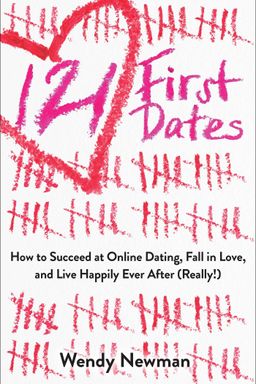
121 First Dates cover

121 First Dates

by Wendy Newman

121 First Dates offers a practical guide for women navigating the world of online dating. With tips on creating a winning profile, preparing for dates, and handling rejection, this book empowers readers to find meaningful relationships and live happily ever after.

Navigating the Modern Dating Maze with Self-Worth and Humor

Have you ever wondered if finding true love in today’s dating world is more about algorithms and patience than romance and serendipity? In 121 First Dates, Wendy Newman, a professional relationship and sex educator, transforms her decade-long adventure through online dating into an insightful, funny, and compassionate guide for single women everywhere. After enduring—and learning from—121 first dates, she argues that modern dating is both an experiment and a process of personal growth. Success in dating, Newman insists, comes not from strategies or perfect timing but from authentic self-care, perseverance, and radical honesty.

Newman doesn’t present herself as a glowing expert dispensing foolproof formulas; she’s your candid, battle-tested friend who’s been ghosted, groped, and gloriously surprised. She draws on her own stories—some tender, some cringe-worthy—to show that dating in the 21st century demands equal parts self-awareness and humor. She believes that dating is not a clean, linear process—it’s messy, unpredictable, and, above all, deeply human.

Reframing What Dating Means

Newman begins by dismantling one of the most pervasive myths: that dating success depends on perfect conditions—being at your ideal weight, career peak, or emotional readiness. She insists there’s no such thing as the “right time”. Waiting to be “ready” is simply a sophisticated form of avoidance. Life, she reminds her readers, does not get less busy, and love does not arrive on a convenient schedule. If your goal is partnership, you need to engage in the process now, flaws and all. This practical, no-nonsense outlook parallels authors like Brené Brown, who emphasize vulnerability over perfectionism.

Dating, in Newman’s view, is not a test of worth but an exercise in resilience and learning. She introduces what she calls the “numbers game”—you may need to meet thirty, fifty, or even a hundred people before finding a true match. This framing stops women from blaming themselves for every mismatch. As she puts it, “It’s not you; it’s math.” Once you drop the fairytale notion that love happens magically, dating becomes less about desperation and more about personal growth.

The Foundation: Self-Care and Need Awareness

One of Newman’s boldest claims is that you can’t date well if you’re not well. She devotes major sections to actionable self-care: making “Need” and “Happy” lists, buying yourself flowers, dancing to awaken sensuality, and cultivating serenity through nature, pets, and supportive friendships. Dating out of desperation, she warns, radiates an energy that repels healthy partners. This philosophy echoes teachings from authors like Louise Hay and Marianne Williamson, who link romantic fulfillment to self-contentment. Newman’s approach, however, is cheekier and more grounded in everyday practice—think less “manifest your soulmate,” more “get a massage and stop skipping meals.”

Her emphasis on sensuality is particularly striking. She suggests nurturing your erotic self even while single—not for performance or seduction but as a form of embodied confidence. Whether through dancing, masturbation, or simply noticing pleasure in daily life, this sensual empowerment prepares you to meet potential partners from a place of fullness, not hunger.

Truth, Transparency, and the Art of Connection

Honesty is a recurring theme throughout 121 First Dates. Newman calls for grace and truth-telling even in awkward moments—especially when rejecting someone. She admires women who can kindly say, “I don’t think we’re a match” instead of ghosting or offering false encouragement. Likewise, she urges readers to expect—and offer—genuine communication about intentions, pace, and attraction. “Don’t say yes if you mean no,” she repeats, warning that small deceits erode emotional integrity.

For Newman, kindness doesn’t mean compliance. It means respecting yourself and your dates by communicating directly and compassionately. If you’re not feeling a spark, you owe a polite but clear goodbye—not a disappearing act. She also helps women decode confusing male behaviors—from “Photoshopping” (men imagining future scenarios and speaking them aloud) to the “busy syndrome” (men who mean well but can’t offer availability). Understanding these tendencies prevents unnecessary self-blame and keeps you sane.

From Frustration to Empowerment

At its core, Newman’s work is less about landing “The One” and more about rediscovering your power in a process that often feels powerless. Each story—from the “Bison Date” to the “Felon” to her eventual meeting with Dave, date #121—illustrates how maintaining humor, self-respect, and an open heart transforms even disasters into wisdom. By treating dating like a personal-growth lab rather than a romantic lottery, you learn to navigate rejection without self-destruction and connection without losing yourself.

The result is both reassuring and radical: dating can be a joyful, sacred act of self-discovery. Newman makes the case that love is not a finish line but a daily practice of honesty, courage, and care. Whether you’re newly single, perpetually swiping, or almost giving up, 121 First Dates invites you to reframe the entire adventure—from frustrating to freeing, from tactical to transformative.


Rewriting the Rules of Readiness

Newman dedicates early chapters to a powerful challenge: stop waiting to feel ready. She observes that countless women postpone dating for years waiting for perfect circumstances—after they lose ten pounds, finish grad school, or remodel their confidence. This cycle of postponement, she argues, builds walls instead of readiness. Her blunt truth? Life doesn’t pause until you’re perfect, and your dream partner won’t arrive on cue.

The Waiting Trap

By listing excuses women use to delay dating, Newman uncovers an emotional defense mechanism: fear masquerading as preparation. She calls it “the pre-readiness trap.” Waiting until after the busy season at work or until we’re in the mood makes love seem like a project rather than a journey. Instead, she advocates dating now—with broken edges and all—because authenticity is more attractive than perfection. Much like in Cheryl Strayed’s Tiny Beautiful Things, real growth begins the moment we decide to show up, messy but willing.

Body Neutrality and Confidence

Newman takes aim at the notion that size or age should dictate when a woman is “allowed” to date. As a curvaceous, middle-aged woman herself, she shares that if she had waited to lose those stubborn fifty pounds, she never would’ve gone on a single date—let alone 121. “Rock what you have,” she insists. In her view, confidence and self-acceptance are far sexier than a target weight or wrinkle-free forehead. She encourages women to dress to express, not to hide, and to embrace visibility: “Show your body; don’t hide it. Someone out there thinks you’re perfect as you are.”

Authenticity over Strategy

Dating advice industries often rely on gimmicks: rules, scripts, and unreachable formulas. Newman rejects all that, calling it “dating by algorithm.” Her revolutionary idea is that you don’t have to orchestrate how love unfolds. There’s no one correct timeline, no universal first-date formula. What counts is showing up as your real self—flaws, quirks, and spontaneity included. “There is no ‘magical day’ to start dating,” she writes. “Today is the day.” Her insistence on immediacy turns dating from an anxious waiting game into an act of courage and presence.


Building the Self Before Seeking the Other

For Newman, thriving in love begins with thriving alone. In “Getting Ready for Your Dating Adventure,” she offers what she calls the “dating pregame.” It’s not about studying pick-up lines or analyzing profiles—it’s about reconnecting to your body, heart, and happiness. She introduces a transformative practice: the Need and Happy Lists.

Defining Your Needs

Start by identifying what keeps you emotionally, physically, and mentally well—your non-negotiables. These are not luxuries like “roses every Thursday” but vital self-care anchors like sleep, solitude, or meaningful social time. Newman lists her own: eight hours of sleep, walks in nature, and daily playtime with her dog. Without these, she says, she’s “cranky and off purpose.” She warns against trying to be dazzling when you’re depleted: “Trying to be amazing when you’re not well is like eating ice cream on an empty stomach—it’s nauseating.”

Naming Your Happy

Once your basic needs are met, expand into delights. These “happy list” items bring joy—not survival—into your world: chocolate-covered apricots, movie nights, or roses bought for yourself. By fulfilling your own happy, you avoid projecting that responsibility onto potential partners. Newman’s story of the student who bought herself roses after being disappointed by a date captures her message: joy must be self-generated before it can be shared.

Self-Care as Attraction

Far from being selfish, self-care makes you radiant. “You can be high-maintenance if you’re also high-performance,” Newman quips. Whether it’s massages, dancing, or time spent nurturing friendships, she reframes self-maintenance as spiritual hygiene. Healthy boundaries and a replenished spirit, not desperate grasping, make you magnetic. This inward shift—turning from wanting love to becoming love—is the emotional core of her philosophy and what distinguishes her advice from most dating manuals.


Dating as an Experiment, Not a Destiny

Perhaps the most liberating shift Newman offers is viewing dating as a process of curiosity rather than judgment. She urges you to treat each encounter as data, not destiny. Instead of win-or-lose thinking—‘Will this be The One?’—she invites playful exploration: ‘Who might this person be? What can I learn about myself today?’ This perspective removes shame from failure and injects joy into discovery.

The Numbers Game

Newman reveals the math few people talk about: finding a compatible partner might take dozens of tries. Her motto: “It’s about quantity before quality—because quality can only emerge from experience.” One out of every ten dates might have potential, and that’s normal. This helps daters stop romanticizing luck and start embracing persistence. Just as actors audition hundreds of times before landing a role, love seekers improve by showing up repeatedly.

Redefining Success and Failure

Every date, even the cringe-worthy ones, provides value. Date #44’s misadventure—with a self-proclaimed bison rescuer and accidental trespass—ended not in romance but in laughter and empowerment. Instead of labeling it wasted time, Newman treats these encounters as hilarious training grounds for honesty, boundaries, and grace. The key metric isn’t whether you “get the guy” but whether you stay kind to yourself while trying.

The No-Strategy Strategy

Unlike formulaic dating coaches who promise guaranteed results through manipulative tactics, Newman advocates intuition and transparency. If you treat dating like a lab experiment, not a battlefield, setbacks become neutral instead of emotional landmines. “You will meet him when you meet him,” she insists. This attitude of surrender—mirroring Eckhart Tolle’s present-moment awareness—transforms the search for love into a mindful practice of patience, humor, and humanity.


Mastering the Modern First Date

A central section of 121 First Dates is a crash course in surviving—sometimes even enjoying—the dreaded first date. Drawing from anecdotes that range from charming to horrifying, Newman equips women with guidelines for etiquette, self-protection, and pleasure. Her mantra: “Expect kindness, not chemistry.”

Preparation Rituals

Before each date, Newman recommends transitioning from “task mode” to “presence mode.” That may mean a bath, a nap, or even a brief solo dance session to shake off work energy. She also suggests physical self-attunement: “Dress to express your joy, not to impress someone else.” Showing up relaxed and radiant, she notes, is far sexier than arriving frazzled in heels you hate.

First Impression Mindset

Her philosophy on first meetings is refreshingly gentle: the only expectation should be mutual grace for an hour. “Strive for connection, not conquest.” She dismantles unrealistic fantasies (like picturing children’s names during appetizers) and centers on curiosity. First dates are “chemistry checks,” not emotional auditions.

Real-Life Examples

Through stories like “The Felon,” “The Drive-by,” and “The Prude & the Pole Dancer,” Newman turns embarrassment into education. These tales underscore her practical rules: meet in public, leave if your gut says so, and be kind but firm. Most memorably, after hiking with a supposedly reformed criminal carrying a literal hammer, she declares, “Trust your gut first; manners second.”

Each misadventure reaffirms a deeper truth: First dates mirror how you treat yourself. When you are honest, courageous, and self-respecting, even disaster dates leave your dignity intact. From handshakes to heartfelt exits, Newman’s blueprint emphasizes warmth and clarity over performance. In a world obsessed with outcome, she reframes success as simply leaving the table proud of how you showed up.


How Online Dating Becomes Human Again

Online dating, for many, feels like a cold marketplace; Newman turns it back into a human adventure. Having met 102 of her 121 dates online, she combines practical tools with humor to make digital dating less daunting and more authentic.

Profiles that Reveal, Not Sell

Forget “walks on the beach” clichés, Newman insists. Profiles should sound like conversations, not résumés. Use brief, concrete details and snippets of personality: “I buy myself red roses every Friday,” she writes, instead of “I’m romantic.” She warns against listing exhaustive “requirements” for partners—it makes readers feel tested, not invited. The better approach: write as though you’re starting a dialogue with one person who truly gets you.

Photos that Radiate Reality

Newman’s photo guidelines are famously specific: current (within 12 months), smiling, solo shots that show natural energy rather than perfection. “Full-body photos prevent misunderstanding and heartbreak,” she jokes, recalling Date #9’s look of dismay upon realizing “curvy” meant size sixteen. Authenticity, not airbrushing, builds trust before meeting. (Note: research by psychologist Amy Webb in Data, A Love Story supports this finding—realistic pictures increase compatible matches.)

Digital Etiquette and Boundaries

Her “online citizenship” advice might save your sanity. Respond kindly to genuine messages, ignore creepers, and stop rereading profiles of men you like (“That’s stalking, not connection”). She equates online hopefulness with planting a garden: some seeds will sprout; most won’t. Patience and detachment are key. The ultimate message: algorithms may introduce you, but authenticity sustains you. Love isn’t found in code—it’s still found in courage.


Redefining Attraction, Chemistry, and Compatibility

Newman devotes an entire section to the difference between physical chemistry and long-term compatibility. Many of her painful dates, she admits, began with intoxicating attraction that blinded her to red flags. The lesson she repeats: chemistry alone will destroy you if it isn’t grounded in compatibility.

Understanding the Biology of Desire

Drawing on neuroscience (citing experts like Louann Brizendine and Barry Komisaruk), she explains how dopamine and testosterone make us mistake lust for love. That rush—what she calls “crazy sauce”—is addictive, but ephemeral. True attraction, paradoxically, emerges later, when you feel safe, seen, and adored. Her rule: if he doesn’t give you “that look”—the one filled with admiration and hunger—you’re better off ending it kindly. Mutual desire grounded in respect beats unbalanced obsession every time.

The Tribe vs. Type Framework

Instead of chasing a “type,” Newman encourages finding your “tribe”—people who share your values, humor, and worldview. A tall, British, witty intellectual might thrill you, but shared humanity outlasts shared fantasies. As she puts it, “You can date outside your type, but not outside your tribe.” This distinction frees daters to explore beyond the surface without surrendering identity.

How to Sort for Compatibility

She introduces practical self-awareness tools like the “Unicorn List”—a dream sheet of partner qualities you then refine into eight essentials. These items (emotional safety, humor, mutual adoration) help you know when to stay or walk away. Chemistry may spark interest, but connection sustains commitment. Newman’s synthesis echoes relationship psychologist John Gottman’s research: shared meaning—not sexual fireworks—predicts long-term success.


Honesty, Boundaries, and Emotional Resilience

After the rush of first meetings, Newman turns to the aftermath—rejection, silence, and heartbreak. Her compassionate realism makes this section potent. She reminds readers: not every date is a love story, but every rejection can be a revelation.

The Graceful Good-Bye

Instead of ghosting, she models simple closure lines: “I don’t feel a match, but I wish you luck.” These scripts balance kindness with self-respect. Avoiding conflict, she notes, often causes more pain than the truth does. Clear words prevent confusion and honor both parties' dignity.

Surviving the "Why Didn’t He Call?" Spiral

Newman dissects the agonizing post-date silence most modern daters know too well. Her explanation? Men often don’t call because they assume silence is kinder than rejection. Rather than taking it personally, she advises a mindset shift: “He didn’t call because he’s not your man. You can tell your man because he calls.” This reframing stops rumination and restores self-worth.

Healing and Returning to Hope

Drawing from her PAX workshop background, she teaches a ritual called “Heart Healing”—a spoken empathy exchange where a trusted friend offers compassionate apologies for past hurts. It dissolves accumulated pain so fresh love can enter. She concludes that resilience doesn’t mean emotional numbness—it means remaining open-hearted despite repeated disappointment. Humor, friendship, and grace form the toolkit for starting over again and again until love arrives.


Finding Partnership Beyond Perfection

Newman’s story culminates with Date #121—Dave, the man she calls her “goddess-sent match.” Their meeting encapsulates her philosophy: authenticity attracts authenticity. Dave was newly separated and not technically in her search algorithm—his profile didn’t even fit her criteria—but connection transcended filters. The takeaway is as spiritual as it is practical: when you’ve learned your worth, you stop filtering out miracles.

Love Without Strategy

Their relationship unfolded naturally—no games, no perfection. Both arrived imperfect but emotionally available. Newman’s description of ordinary joy—cooking, laughing, committing in a private ceremony—illustrates that “happily ever after” is not fairy magic but respectful co-creation. She reframes marriage itself as one of many valid partnership models. The real success metric? “Everyone involved believes they got the better end of the deal.”

The Larger Lesson

Her final message is tender: love rewards perseverance, not perfection. Every broken date, awkward silence, or mismatched pairing was part of her preparation. In her words, “I met my partner on date 121—and every date before him was the tuition I paid for love.” In other words, every no shaped the yes. Newman’s lifelong experiment becomes an anthem of hope for modern romantics: stay open, stay kind, stay real—and love, in its good time, will find you laughing.

Dig Deeper

Get personalized prompts to apply these lessons to your life and deepen your understanding.

Go Deeper

Get the Full Experience

Download Insight Books for AI-powered reflections, quizzes, and more.