
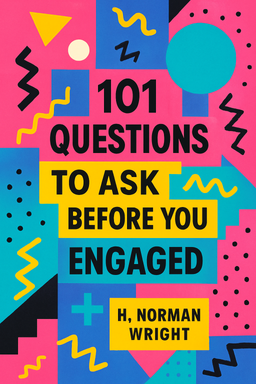
101 Questions to Ask Before You Get Engaged cover

101 Questions to Ask Before You Get Engaged

by H Norman Wright

101 Questions to Ask Before You Get Engaged guides couples on a journey of discovery, helping them explore compatibility and future expectations. Through insightful questions, it fosters deep understanding and prepares partners for a resilient and fulfilling marriage.

Never Marry a Stranger: The Foundation of Knowing Before Committing

How well do you really know the person you’re dating? Would you bet your entire future on what you think you know about them today? In 101 Questions to Ask Before You Get Engaged, H. Norman Wright argues that far too many people make lifelong commitments to partners they don’t truly understand. He contends that love alone isn’t enough—that real readiness for engagement comes from intentional questioning, emotional honesty, and spiritual awareness. Wright’s message is simple but profound: never marry a stranger. A deep, multidimensional acquaintanceship is the strongest predictor of lifelong satisfaction.

The book leads readers through a journey from surface-level attraction to spiritual and psychological depth. It’s not about how to plan a wedding, but how to decide whether getting engaged is even wise. Wright draws from decades of Christian counseling and countless stories of couples who discovered, too late, that their relationships were built on illusion rather than understanding. With clear biblical foundations, he invites readers to ask difficult questions—not to scare away romance, but to secure it against heartbreak.

The Cost of Not Asking Questions

Wright begins with a metaphor that’s both humorous and sobering. Would you buy a used car just because it looks good, without checking its history, mileage, or warranty? Of course not. Yet many people dive into engagement that way—captivated by appearances but ignorant of what’s under the hood. He recalls clients who said, “The person I married wasn’t the same one I honeymooned with.” The truth, Wright explains, is they married someone they never fully investigated. Questions reveal reality, and reality helps us love more wisely.

The author encourages readers to take charge of discovery rather than waiting for unpleasant surprises. Asking questions ahead of time doesn’t diminish romance—it protects it. As relationship expert Jeffrey Larson notes (quoted in the book), marital satisfaction correlates strongly with the depth and duration of acquaintanceship. Knowing a person “broadly and deeply” before marrying dramatically increases the odds of long-term happiness. Wright builds his entire structure around this insight.

Facing Fears, Red Flags, and the Myth of Potential

Many of Wright’s most powerful warnings come from real-life experiences shared by people he’s counseled. One friend offers advice learned through decades of dating: ask questions early and often, store answers, watch for consistency, and confront red flags directly. Another story describes a man who realized—six months too late—that he had talked himself into dating someone who wasn’t right for him. Wright’s take: if you have to talk yourself into a second date, you’ll probably have to talk yourself into a lifetime of compromise.

He also exposes the trap of confusing potential with reality. Many people become engaged not because they love who their partner is, but who they hope they will become. Wright lists examples: partners with financial irresponsibility, anger outbursts, or lack of faith, whom someone believes marriage will “fix.” It won’t. “You can’t get gold out of a mine filled with lead,” he quips, summarizing how self-deception fuels heartbreak. Reforming others often distracts us from the issues we need to fix in ourselves.

The Role of Spiritual and Emotional Integrity

Throughout the book, Wright grounds every insight in Christian principles. He reminds couples that marriage reflects God’s own nature: mutual completeness, divine image-bearing, and sacred partnership. Spiritual compatibility isn’t optional—it’s foundational. Relationship maturity grows through prayer, humility, and grace. As Wright cites from Dr. Paul Tournier, true harmony comes when partners pray together; only then can their temperaments enrich, rather than endanger, their home.

Emotional honesty is equally vital. Couples must be able to express fears, frustration, and faults without shame. Ignoring discomforts, rationalizing unhealthy behavior, or silencing concerns prevents the growth of trust. Wright challenges readers: if you feel dread, numbness, or “wrongness” about engagement, listen to those signals. They may be divine warnings—not just cold feet.

Practical wisdom for discernment

Wright compiles numerous guidelines and “red lights” indicating when not to proceed toward marriage: unresolved quarrels, lingering attachment to exes, addictions, incompatibility, or low self-esteem. These aren’t judgmental checklists but common-sense wisdom drawn from years of failed marriages that could have been prevented. He notes that premarital counseling, prayer, and honest self-assessment are indispensable tools for discernment.

The author ultimately wants readers to exercise courage—the courage to ask uncomfortable questions and listen to inconvenient answers. The pain of breaking off an engagement is temporary; the pain of an unwise marriage can last a lifetime. Wright’s work offers an antidote to romantic naivety, replacing blind faith with humble, informed discernment.

Beyond the Questions: A Lifelong Habit

Although the book is filled with 101 practical questions, Wright’s deeper message is about cultivating a questioning posture in life and love. Relationships thrive when partners stay curious—asking, learning, and adjusting—even after marriage. The questions are meant not only to reveal who your partner is but also who you are within the relationship. As he says, this process is “getting to know you” at the deepest level. Asking now prepares you to keep knowing forever.

Key Takeaway

Engagement should not be a leap of faith but an act of informed love. The more questions you ask before saying “I do,” the fewer regrets you’ll have afterward.


Understanding Acquaintanceship and Compatibility

Wright introduces the idea of acquaintanceship—the combination of how well and how long you’ve known your partner. He borrows from Jeffrey Larson’s research that longer and deeper acquaintance correlates with higher marital satisfaction. Compatibility, as Wright explains, doesn’t mean being identical—it means being capable of living harmoniously, flexibly, and respectfully together.

Depth and Breadth of Knowing

Depth refers to emotional, spiritual, and personal understanding; breadth refers to shared experiences across various life situations. Wright recommends observing your partner under stress, with friends, and around family. These varied contexts reveal character far beyond dating behavior. Compatibility isn’t static—it’s built through adaptation and mutual learning.

The Myth of Perfect Alignment

No couple perfectly “fits.” The idea of seamless connection is romantic fiction. Wright’s friend puts it bluntly: dating involves degrees of compromise—“Can I live with this? Can I accept that?” You won’t find someone who meshes without some grinding of gears. What matters is whether the friction leads to growth or resentment.

Celebrating Differences

Differences that attract early can later annoy. Wright cites Ephesians 4:2 as the biblical foundation for embracing those differences with humility and patience. Compatibility grows through “bearing with one another in love.” He urges couples to celebrate uniqueness rather than crusade for conformity.

Key Lesson

Compatibility isn’t found—it’s formed. It evolves from how you respond to differences, not how you avoid them.


Recognizing Red Flags Before Engagement

Red flags aren’t curses—they’re clues. Wright dedicates sections to recognizing warning signs in relationships that signal caution rather than commitment. These include emotional dependency, unresolved conflict, addictions, manipulation, and unrealistic expectations.

Emotional and Behavioral Warnings

Repeated reassurance-seeking (“Do you really love me?”) reflects low self-esteem requiring individual healing before marriage. Constant unresolved quarrels mean poor conflict management; marriage amplifies fights, it doesn’t solve them. Wright warns against ignoring obvious traits: partners who mimic unhealthy parents, uncontrolled anger, or poor financial habits.

Spiritual and Relational Red Lights

Spiritually, a lack of prayer, avoidance of vulnerability, or unwillingness to grow in faith are serious inhibitors. Relationships flourish on openness to God; closed spiritual channels predict emotional isolation. Relational red lights include living together before marriage, being opposites in all facets, or entering for physical reasons only. Each signals emotional immaturity or misaligned purposes.

Listening to Your Inner Voice

One of Wright’s most striking lessons comes from his counseling client’s testimony: “If that inner voice tells you that you’re making a mistake, stop and listen.” Ignoring intuition out of fear of embarrassment is foolish; better to pause now than suffer for decades. When something feels fundamentally off, honesty beats endurance.

Reflection

If you find yourself explaining away discomfort, you may already be negotiating with denial. Healthy love doesn’t require justification.


The Role of Spiritual Compatibility

For Wright, spiritual unity is the lifeblood of a lasting marriage. He grounds this conviction in Genesis and Ephesians: marriage mirrors God’s image and reveals His character through partnership. When spiritual growth stalls, relational intimacy suffers; when couples pursue faith together, their bond strengthens holistically.

Prayer and Harmony

Dr. Paul Tournier’s quote anchors this section: when husband and wife pray together, their differences enrich rather than threaten their home. Prayer unites wills under divine direction, eliminating competitiveness. Wright applies this practically—ask early in dating how easily you can pray together. If it’s uncomfortable now, it won’t magically get easier after marriage.

Shared Biblical Understanding

Partners must align on core doctrines of love and submission. Wright urges study of Ephesians 5:22–25, clarifying that submission and love describe complementary roles of responsibility, not unequal worth. Misunderstanding these teachings can create resentment or abuse instead of harmony. (He parallels teachings from his own devotional, Before You Say 'I Do'.)

Faith as a Growth Catalyst

Wright insists that marriage should expand your spiritual life, not dilute it. Ask how your relationship affects your walk with Christ—has it deepened or diminished your devotion? Couples should read and pray together; shared spiritual practice builds a foundation unshaken by trials.

Bear in Mind

Spiritual intimacy precedes emotional and physical intimacy. Without it, marriage may unite bodies but divide souls.


Why Past Relationships Matter

Our histories shape our futures. Wright encourages reflection on prior relationships—what we learned, what wounds remain, and what patterns we repeat. Every dating chapter becomes a lesson in self-awareness. Yet many people blame others instead of learning from experience, carrying unhealed resentment into new love.

Recognizing Emotional Residue

Unresolved grief, guilt, or nostalgia can cloud new partnerships. Wright urges asking: Is the past truly over? Are you free from previous emotional ties? He warns that unfinished business will resurface, especially if you haven’t fully grieved or forgiven. His book Recovering from the Losses of Life offers extended guidance here.

Learning from the Timeline

In the section for those remarried, Wright introduces timeline exercises: mapping when joy, conflict, and disillusionment occurred in past marriages. This helps identify personal and relational triggers. Every failed marriage leaves clues—understanding those prevents repetition. Comparing adjectives describing a former and current partner reveals patterns of attraction and avoidance.

Healing Before Loving Again

Second marriages, Wright admits, are tougher and slower to build. External pressures multiply—children, finances, former spouses. Success requires patience and resilience, not escapism. Expect recurring ghosts, he says, but reality dispels them. Growth through pain can make remarriage a redemption story when introspection replaces blame.

Central Insight

Past relationships aren’t mistakes—they’re mirrors. They show you what to change before building something new.


Practical Questions That Build Emotional Intimacy

The heart of Wright’s book—the 101 questions—acts as an emotional roadmap. They range from spiritual beliefs to childhood memories, from money management to conflict style. These aren’t trivia; they expose the deeper architecture of personality, faith, and emotional health.

Exploring Vulnerability

Opening questions ask about ease of vulnerability, fears about marriage, and the difference between togetherness and individuality. You learn how your partner defines boundaries—a property line of the heart. Couples who can be open safely form the foundation of lasting intimacy.

Communication and Conflict

Wright devotes numerous questions to communication. Does your partner ramble, condense, or evade topics? Can they confront honestly, or avoid conflict? Studying reaction patterns—defensiveness, control, silence—reveals maturity. Effective communication determines whether disagreements evolve or explode.

Finances, Family, and Faith

Financial transparency, parental ties, and shared prayer appear repeatedly. If your partner struggles to sever parental allegiance or hides financial instability, those issues won’t improve in marriage. Emotional accountability—how someone handles mistakes or criticism—serves as another test. Wright teaches that spiritual and emotional honesty are intertwined; one cannot flourish without the other.

Identifying Habits and Values

From food preferences to hobbies, from media influence to personal time, these minor questions uncover major lifestyle divides. Couples often overlook how daily habits shape harmony. Shared values—about health, faith, and recreation—reduce friction. Wright’s questions train you to think relationally about every area of life.

Essential Reminder

Asking may feel intrusive, but loving curiosity saves marriages. These questions aren’t interrogations—they’re invitations to intimacy.


The Courage to Call It Off

One of Wright’s most courageous themes is the freedom to end an unhealthy relationship. Engagement isn’t an irreversible promise—it’s a discernment stage. He quotes from There Goes the Bride by Rachel Safier: mixed feelings mean don’t proceed. Numbness or dread aren’t nerves; they’re warning alarms.

Confronting Fear and Pressure

Many partners rush engagement under social or biological pressure—“the ticking clock” phenomenon. Wright recounts how one woman, feeling her age, ignored clear signs because she feared loneliness. Fear-driven decisions create regret; God calls us to courage, not panic.

Evaluating Nonnegotiables

He instructs readers to define unacceptable patterns before commitment: physical or emotional abuse, unresolved parental control, inability to communicate openly, or reliance on marriage as a fix. These aren’t negotiable—they’re disqualifiers. Emotional safety precedes marital success.

Choosing Long-Term Peace Over Short-Term Comfort

Breaking off an engagement hurts, but as Wright emphasizes, a lifetime of misery hurts more. The best question he poses: “Is this the person you want across the breakfast table every morning?” Romantic fantasy fades; ordinary companionship endures. Choose someone whose presence feels safe even in silence.

Practical Takeaway

A graceful exit is healthier than a fearful continuation. Engagement should clarify direction—not trap you in obligation.

Dig Deeper

Get personalized prompts to apply these lessons to your life and deepen your understanding.

Go Deeper

Get the Full Experience

Download Insight Books for AI-powered reflections, quizzes, and more.