
Idea 1
Leading with Virtue in a Disrupted World
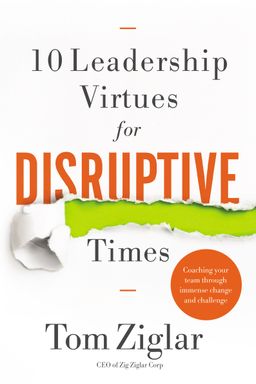
What kind of leader are you when everything around you is shifting—when old rules don’t apply, when your team is dispersed across Zoom screens, and when uncertainty defines every day? In 10 Leadership Virtues for Disruptive Times, Tom Ziglar challenges you to rethink leadership itself. He argues that in chaos and technological transformation, the most powerful tool you have isn’t strategy or skill—it’s character. His central claim: The leaders who thrive during disruption are those who coach with virtue, modeling timeless values that build trust, connection, and growth in the people they serve.
Ziglar, son of the legendary motivational speaker Zig Ziglar, calls this approach Coach Leadership. These leaders don’t command from authority—they cultivate from authenticity. They don’t merely manage results; they develop people. In this book, Ziglar reframes leadership as a moral and relational craft founded on ten enduring virtues: kindness, selflessness, respect, humility, self-control, positivity, looking for the best, being the light, never giving up, and standing firm.
The Crisis of Modern Leadership
Ziglar opens with the backdrop we all know—the COVID‑19 pandemic and the digital revolution that accelerated remote work and personal upheaval. Leaders once defined by positional power are now being asked to lead from empathy, clarity, and trust. The “T. rex manager,” who rules by fear and control, now faces extinction. His arms are too short for the new reach of distributed teams. In contrast, the Coach Leader leads through questions, collaboration, and connection. He or she creates a work atmosphere that makes people want to engage, even when the office has vanished.
As Ziglar’s father often said, “You don’t build a business; you build people, and people build the business.” Tom adds the modern spin: You coach people so they can build themselves. His book becomes a blueprint for doing that in times when technology, strategy, or cultural change could otherwise fracture trust.
Three Dimensions of Virtuous Leadership
The ten virtues unfold across three main dimensions. First, Who we need to be —the inner qualities that anchor a leader’s identity: kindness, selflessness, respect, humility. Second, How we need to be—the expressive attitudes that prepare teams for growth: self‑control, positivity, and looking for the best. Finally, What needs to be done now—the active behaviors that guide teams through disruption: being the light, never giving up, and standing firm. Each section shows how these virtues shape an environment where people flourish rather than fear.
Ziglar pairs moral conviction with practical coaching techniques. He uses examples such as Matt McKinley, who built his company’s culture around a team “Wheel of Life” assessment, and Doc Rivers, the NBA coach who motivated multimillion‑dollar athletes by asking permission to hold them accountable. These real-world stories illustrate that virtue isn’t theoretical—it’s operational. It can be measured in engagement, retention, and transformation.
Virtue as a Competitive Advantage
In times of change, technical knowledge decays quickly. A workflow that solved problems last year may be obsolete today. But virtue endures. By practicing attributes such as humility and kindness, leaders create psychological safety—the condition Google’s Aristotle project identified as the core of effective teams. Ziglar argues that disruption is not an obstacle but a stage upon which virtue can perform. The leaders who 'outrun the bear,' as in his wilderness metaphor, are not faster—they’re more adaptable, more curious, and more compassionate.
He even glimpses the futuristic context—quantum computing, AI, virtual reality—and reminds readers that as technology replaces tasks, human trust and moral grounding will become the rare competitive advantage. The Coach Leader, fluent in compassion and integrity, becomes indispensable.
Why These Ideas Matter Now
Tom Ziglar’s message resonates because the pandemic revealed something timeless: people don’t crave perfect systems—they crave leaders they can trust. Quality of life now equals quality of work. Remote teams need inclusion, communication, and psychological safety more than directives or metrics. The virtues he describes aren’t soft skills—they’re strategic assets. They bridge the gap between pain and vision, making innovation and resilience possible when disruption strikes.
The big idea is simple but profound: character may be the oldest technology, but it’s still the most powerful. If you master the art of Coach Leadership—living out these ten virtues—you’ll not only lead through change, but redefine success as growth, purpose, and legacy. That’s how you transform disruption into destiny.