
Idea 1
Taming the Voice in Your Head: Mindfulness Without Losing Your Edge
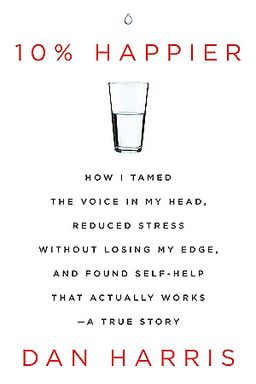
Have you ever noticed the constant chatter running through your mind—the inner narrator that judges, worries, and endlessly plans? In 10% Happier, journalist Dan Harris turns his own public collapse—a panic attack on live television—into a search for a practical way to quiet that voice without dulling his ambition. He argues that meditation, stripped of its mysticism and pop-spiritual baggage, offers exactly that: a scientifically backed, skeptical way to manage the mind while keeping the sharpness that success demands.
How Dan Harris Turned Panic Into Purpose
Harris begins in a state of professional triumph and personal chaos. After reporting from war zones and rising through ABC News, his restless drive leaves him wired, depressed, and secretly using drugs. When panic seizes him mid-broadcast, he’s forced to confront the manic thinking that dominates his life. Therapy helps him quit drugs, but not the deeper issue—his twitching, anxious mind that fuels both his success and misery. In his search for answers, Harris stumbles upon the world of self-help gurus, Christianity, Buddhism, and neuroscience, discovering how all these paths, in different ways, try to handle our obsession with thinking.
Meditation for Skeptics: A Counterintuitive Solution
Through encounters with figures like Eckhart Tolle, Deepak Chopra, and psychiatrist Mark Epstein, Harris learns that taming the mind isn’t about silencing it entirely—it’s about noticing it. He initially dismisses meditation as a flaky, hippie indulgence. But he’s drawn in by Epstein’s argument that Buddhism, properly understood, is “the original psychology of the mind”. Meditation isn’t mystical; it’s a workout for attention. You sit, focus on your breath, notice when your mind wanders, forgive yourself, and return. Repeat endlessly. This process trains awareness—mindfulness—to spot thoughts as they arise and disrupt the chain reaction that pulls us into stress, anger, or despair.
From Self-Help Illusion to Practical Skepticism
Harris’s breakthrough comes when he reframes “positive thinking” as dangerous folly. From gurus who promised bliss and wealth through thought manipulation to the tragic collapse of figures like James Arthur Ray (whose teachings led to deaths in a sweat lodge ceremony), Harris exposes how self-help often sells denial. Real progress, he concludes, begins with “negative thinking”—facing one’s flaws and discomforts head-on. Mindfulness teaches precisely that: the ability to lean into anxiety rather than escape it. In this, Harris aligns Buddhist insight with cognitive therapy and neuroscience, showing how awareness rewires the brain to respond rather than react.
Why This Matters: Mindfulness as Modern Resilience
The book’s larger message is that mental clarity and ambition don’t have to be opposites. Meditation cultivates space between stimulus and response—the split second where you can choose your next move rather than be hijacked by emotion. This ability, now verified by MRI research from figures like Jon Kabat-Zinn and Richard Davidson, transforms both the individual and the workplace. High-performing executives, marines, and even news anchors (including Harris himself) learn that stability and focus are weapons against stress and impulsive decision-making. As Harris writes, meditation isn’t about escaping life; it’s about showing up more fiercely within it.
The Meaning of “10% Happier”
Harris’s central thesis is refreshingly modest: meditation won’t make you enlightened or euphoric—it will make you roughly 10 percent happier. That small margin compounds every day. It means being 10% less reactive when your boss criticizes you, 10% more present with your partner, and 10% quicker to forgive yourself. This percentage symbolizes a shift from grandiose transformations toward incremental sanity—the kind that sticks. Over time, this realism becomes a philosophy of living: drop perfection, aim for awareness, and recognize that thinking without awareness is a harsh master.
Key Takeaway
Mindfulness doesn’t erase ambition—it refines it. Harris shows that even in high-stakes, competitive environments, meditation grants resilience without apathy. The result isn’t a passive serenity but a sustainable sharpness. The ultimate victory, he concludes, isn’t silencing the voice in your head—it’s learning when to ignore it.