
Idea 1
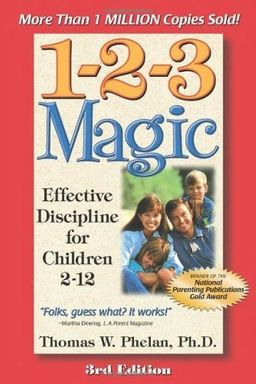
1-2-3 Magic: The Science of Calm and Consistent Parenting
Have you ever found yourself locked in a never-ending argument with your child, desperately trying to reason with them, only to realize you’re both spiraling into frustration and yelling? Dr. Thomas W. Phelan’s 1-2-3 Magic answers the age-old question: How can you discipline kids effectively without shouting, threatening, or pleading?
In his groundbreaking approach, Phelan argues that raising emotionally intelligent, respectful kids doesn’t require complex psychological theories or constant verbal explanations. Instead, it hinges on a simple, structured discipline method that prioritizes consistency, calmness, and clear boundaries. The centerpiece of his philosophy—the “1-2-3 Magic” counting method—empowers parents to stop obnoxious behavior, encourage positive routines, and build enduring relationships with their children.
The Magic Behind the Simplicity
At the heart of Phelan’s system is what he calls “the magic of calm authority.” The technique is deceptively simple: when a child misbehaves, the parent calmly says, “That’s 1,” “That’s 2,” and finally, “That’s 3, take 5.” This triggers a consequence (normally a time-out or loss of privilege). No lectures, no yelling, and no emotional fireworks. The parent’s goal is to remain composed, let the structure do the work, and give the child space to take responsibility for their own actions. Phelan emphasizes that parents should adopt two golden rules: No Talking and No Emotion. These aren’t just slogans—they’re crucial behavioral controls that prevent parents from becoming part of the problem.
Why does this approach work? Because kids aren’t little adults. Phelan dismantles what he calls the “Little Adult Assumption”—the belief that reasoning and endless talking will teach children to stop misbehaving. He shows that children, particularly between ages two and twelve, respond not to logic but to behavior shaping. A calm, predictable consequence system bypasses emotional chaos and helps children internalize discipline faster than drawn-out verbal explanations ever could.
Three Essential Parenting Jobs
According to Phelan, effective parenting can be boiled down into three primary “jobs”: controlling obnoxious behavior (Job #1), encouraging good behavior (Job #2), and strengthening the relationship (Job #3). Each role requires different strategies and levels of emotional balance. When parents learn how to separate these jobs and approach them intentionally, they shift from reacting to managing.
- Controlling obnoxious behavior focuses on stopping whining, arguing, tantrums, and sibling fights through counting and calm consequences.
- Encouraging good behavior involves creating positive routines, setting expectations, and using praise, timers, and charts to motivate action.
- Strengthening relationships is about reestablishing connection through listening, fun, and one-on-one time—because parenting is not just about control but emotional health.
These jobs remind parents that discipline isn’t synonymous with punishment—it’s training. Children are learners, and every interaction with a parent is a micro-lesson in emotionally intelligent behavior. Phelan’s goal is not to produce obedience through fear but self-discipline through structure.
Why Most Discipline Fails
Parents often fall into what Phelan calls the two worst discipline mistakes: too much talking and too much emotion. Lecturing children about why they should behave, or exploding emotionally when they don’t, unintentionally reinforces bad behavior. Kids read parental anger as power—and they enjoy responding to it. “If your child can get big-old you all upset,” Phelan writes, “your upset is their big splash.” That splash creates temporary excitement and lasting dysfunction. By contrast, calm, consistent responses neutralize that dynamic and teach restraint.
For parents who fear seeming cold, Phelan counters with reassuring logic: Warmth doesn’t mean weakness. Effective parents are both warm and demanding—friendly when nurturing and firm when enforcing boundaries. This balance, he argues, raises emotionally intelligent children who can empathize while respecting limits.
From Chaos to Calm: The Emotional Payoff
Once parents master the system, Phelan promises a dramatic change: “You’ll start getting good control—believe it or not—at 1 or 2.” The yelling subsides, the frustration lifts, and family life regains its joy. Instead of perpetual tension, there’s now space for calm communication. Parents rediscover that they not only love their kids—they actually like them.
Key Takeaway
Discipline doesn’t require magic—it requires strategy. When you stop arguing and start counting, you aren’t just managing your kids; you’re managing yourself. 1-2-3 Magic transforms parenting from constant firefighting into a calm, deliberate craft that nurtures responsibility, empathy, and mutual respect.